Wednesday, 13 April 2011

Salt & Pepper Squid

These cooking times assume that you will make one portion at a time in the wok.
    880g baby squid
    2 egg whites, very lightly whisked
    300g potato starch (or 600g cornflour)
    Vegetable oil, for deep-frying1 tsp finely chopped garlic
    1 tsp finely sliced dried red chilli
    40g finely sliced spring onion
    1 tsp five spice seasoning salt
    60g deep-fried chopped garlic
    1 small red cabbage, cored and shredded

Clean and open up the squid, scrape clean the insides and score the squid diagonally in both directions. Cut each squid in half or thirds (depending on size) into bite-sized pieces. Rinse the squid, then leave to dry in a colander. Once dry, coat the squid in egg white and lightly dust with the potato starch.

Heat a wok over a very high heat, pour in enough oil to fill by a third and, once the oil is hot, deep-fry the squid in four batches for about a minute, until crispy. Tip the oil and squid into a metal sieve placed over a pan - that way, you can save the oil for cooking the next portion.

Add a teaspoon of oil to a clean wok and sweat the fresh garlic, dried chilli and spring onions. Once the aromas are released, remove the wok from the heat, add the cooked squid and sprinkle with five spice seasoning salt and the fried garlic. Return the wok to the heat and stir-fry for 10 seconds.

To serve, take a handful of shredded cabbage, place in an oval in the centre of each plate and pile the squid neatly in the centre.

Prawns with Sichuan peppercorns and spring onions

Spring onions have the advantage of cooking in seconds, which is partly why they are used, along with ginger and chillies, to start a stir-fry. Cut finely, they will soften in no time. Like all onions, their sugars can burn, so you need to move them around the pan quickly in the smoking oil as they cook. Serves 2.

Ingredients (Serves 2)

    2 fresh hot red chillies
    a tsp Sichuan peppercorns
    a large pinch of sugar
    2 tsp of finely minced (or very finely chopped) ginger
    4 cloves of garlic
    6 spring onions
    6 tbsp groundnut oil
    400g large, shell-on raw prawns


Halve the chillies, scrape out the seeds, chop the flesh finely, and put into a small bowl. Put the peppercorns into a non-stick frying pan and toast for a minute or two until fragrant. Tip them out and grind to a fine powder using a spice mill or a pestle and mortar. Add to the chillies with the sugar, minced ginger and a teaspoon of sea salt.

Peel and finely chop the garlic. Trim the spring onions and chop them into fine pieces then add, with the garlic, to the chillies.

Pour the oil into a wok and get it smoking hot. Lower in the prawns and let them cook for a minute, then lift them out with a draining spoon. Add the chilli mixture to the wok and stir it round for a minute or less as it sizzles, so it does not burn.

Return the prawns to the pan, continue cooking for a couple of minutes, then
serve immediately and eat while hot and peppery.

Calamari fritti with cucumber salad


Ingredients (Makes four starter portions)

    80g self-raising flour
    80g cornflour, plus a little extra
    210ml soda water
    2 tsp rapeseed oil
    ½ tsp dried chilli flakes
    Coarse sea salt350g cleaned squid rings
    Vegetable oil, for frying (grape-seed or sunflower are good)
    For the cucumber salad
    4 mini cucumbers (200g in total)
    ¼ medium red onion, peeled and very thinly sliced
    2 tbsp groundnut oil
    2½ tbsp lime juice
    ¾ tsp palm sugar
    Coarse sea salt
    ½ fresh chilli, finely chopped
    2 tbsp roughly chopped mint
    2 tbsp roughly chopped coriander


Start with the salad, because the flavours will intensify if it's left to sit for a little while. Use a vegetable peeler or mandolin to shave the unpeeled cucumbers into long, thin strips, and place these in a mixing bowl. Add the sliced onion. Whisk together the oil, lime juice, palm sugar and salt. Pour over the cucumber and onion, then add the chilli and herbs. Toss gently with your hands, taste and adjust the seasoning - this salad needs quite a lot of salt. Pile up in a nice serving bowl, ready for the hot squid.

In a small bowl, whisk together the flour, cornflour, soda water, rapeseed oil, chilli and a pinch of salt - the batter should be smooth and thinner than a pancake mix, but not watery.

Scatter some more cornflour over a plate, to 'dry' the squid. In a medium saucepan, heat up enough frying oil to come at least 4cm up the pan. When the oil is piping hot, take a few pieces of squid, toss them lightly in the cornflour plate, and shake off any excess. Dip them in the batter, shake off any excess and carefully drop them into the hot oil. Take care not to fill the pan too much, or the squid pieces will stick to each other and stew rather than deep-fry, and turn them over in the bubbling oil with a slotted spoon. Once they have taken on a little bit of colour - after around one to two minutes' cooking - carefully lift the calamari on to a colander and sprinkle with salt. Remove any loose bits of batter from the oil, then repeat with another batch of squid.

Assuming you haven't eaten all of the cooked squid while you've been cooking the rest, pile the warm calamari on a serving plate or bowl, and serve with the cucumber salad.

Squid and beans on toast

Bake your own haricot beans in a rich, savoury, tomatoey sauce for a couple of hours, and you may never fancy the tinned version again. Add some squid, which will cook to delicate tenderness, and you have a dish that's both earthy and exciting.

Ingredients (Serves four to six)

    200g dried haricot beans
    2 medium squid, cleaned
    2 tbsp olive oil
    1 large onion, finely sliced
    2 sticks celery, finely chopped
    6 cloves garlic, chopped
    1 tsp fennel seeds
    2 tsp hot smoked paprika
    A pinch of cayenne pepper
    400g tin chopped tomatoes
    The finely pared zest of ½ lemon
    2-3 sprigs fresh thyme
    2 bay leaves
    Up to 750ml fish stock (or water)
    ½ glass sherry
    Salt and freshly ground pepper
    4-6 slices sourdough or ciabatta
    Green salad, to serve
    Extra-virgin olive oil, to serve

Cover the beans in plenty of cold water and soak overnight. The cleaned squid should come to you in three parts: the tubular bodies, the tentacles and the wings - all can go into the stew. Cut the body into 5-10mm thick rings, the wings into similar-sized strips and the tentacles into three or four pieces.

Heat a heavy-based saucepan, add the oil and, when hot, throw in all the squid. Fry for three to four minutes until just starting to brown, then add the onion, celery, garlic, fennel seeds, paprika and cayenne, and fry for five minutes, until the onion starts to soften.

Drain the beans and add to the pot along with the tomatoes, lemon zest, thyme, bay leaves, 500ml stock and the sherry. Bring to a gentle simmer and cook, uncovered, for one to two hours, or until the squid and the beans are both really tender. Add more stock or water as required. Just before serving, season to taste.

Toast the bread and spoon the stew on top. Add a few salad leaves, trickle over some good olive oil, scatter with a little salt and take to the table.

Monday, 11 April 2011

Limoncello

Limoncello liqueur


This is quick and easy to make – it will take about 10 minutes – but then needs to be left for a couple of weeks at least before you drink it. Then the lemon zest and lemon grass really infuse the vodka to give a delicious sharp but rich taste.

Makes 750ml bottle

    8 unwaxed lemons
    2 lemon grass stems
    700ml bottle of good quality vodka
    220g caster sugar


Zest the lemons and crush the lemon grass and put them into a large sterilised kilner or preserving jar and pour over the vodka.

Put the sugar into a saucepan with 350ml water, bring to the boil, turn down the heat and simmer for 3-4 minutes. Leave the syrup to cool, then add it to the lemon zest mixture.

Seal the preserving jar and leave for a couple of weeks in a cupboard, shaking and turning every so often. Then strain the limoncello into bottles. This is best served ice cold, straight from the freezer.

Saturday, 2 April 2011

The Perfect Patatas Bravas

Roast potatoes instead of frying them, which gives a less greasy, but equally crisp result (and is also considerably easier in most home kitchens) and make a sauce with smoked paprika, rather than chargrilled chilli, to add some depth, as well as a fresh chilli for heat.

The creamy, unashamedly garlicky allioli-style sauce completes the dish perfectly.Paired with a chilled Spanish beer, I finally understand what all the fuss was about.

Ingredients(Serves 4-6)


    500g waxy potatoes
    300ml olive oil
    1 small onion, finely chopped
    1 red chilli, finely chopped
    400g tin chopped tomatoes
    ½ tsp sugar
    ½ tsp salt
    1 tsp smoked paprika
    2 tbsp sherry vinegar
    1 egg
    1 clove garlic, crushed
    Chives, to serve


  1. Preheat the oven to 200C. Peel the potatoes and cut into rough 2cm chunks. Put a roasting tray with 2 tbsp olive oil into the oven and leave to heat for 5 minutes, then take out, toss the potatoes in the hot oil, and bake for about 45 minutes until crisp and golden.
  2. Meanwhile, make the sauces. Put 2 tbsp oil into a heavy-bottomed pan on a medium heat, and cook the onion for about seven minutes until golden and soft. Put in the chilli, and cook for another couple of minutes, then add the tomatoes, sugar, salt and smoked paprika and stir well. Bring to the boil, and then turn down the heat and simmer for about 20 minutes until thick and dark. Take off the heat, add 1 tbsp sherry vinegar, and adjust the seasoning if necessary.
  3. To make the allioli, put the egg in the small bowl of a food processor along with the garlic and 1tbsp sherry vinegar. Add 1 tbsp olive oil and whizz until incorporated, then drizzle in the rest of the olive oil with the motor running, until you have creamy mayonnaise-style sauce. Season to taste. (You can also use a hand blender, but it's harder to drizzle and beat at the same time.)
  4. Take the potatoes out of the oven and sprinkle with a little salt. Spread the tomato sauce on to the plates, put the potatoes on top, then add a dollop of allioli and a sprinkle of chives, and serve immediately.

Saturday, 19 March 2011

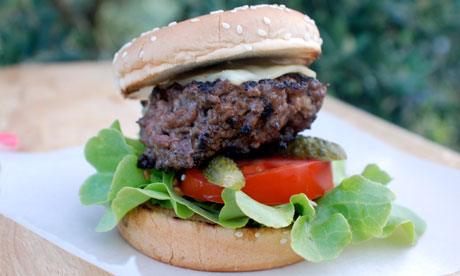
The Perfect Burger


Ingredients (Serves 6)


    1 tbsp oil or butter
    1 large onion, finely chopped
    1kg roughly minced chuck steak (or any non-lean mince)
    100ml stout
    2 tbsp brown breadcrumbs
    2 tsp chopped herbs (parsley or thyme work well)
    1 tsp salt
    Black pepper
    Garnishes, sauces and rolls, as desired


Heat the oil in a frying pan over a low heat, and cook the onion until soft and slightly browned. Leave to cool.

Spread the beef out and sprinkle over the onion. Add the stout, breadcrumbs, herbs and seasoning and mix together with a fork, being careful not to overwork it.

Divide the meat into 12 flattish burgers, putting a dimple in the centre of each. Cover and refrigerate for an hour.

Cook the burgers on a medium to hot barbecue or griddle pan: leave them undisturbed for the first 3 minutes so they build up a good seal on the bottom, then carefully turn them over, adding a slice of cheese on top if desired. Cook for a further 4 minutes for rare, and 7 for well done, and allow to rest for a few minutes before serving. (You can toast buns, cut-side down, on the barbecue at this point.)

What goes into your perfect hamburger – and what goes on top? Is beef still best for burgers, and where serves the finest in the world?